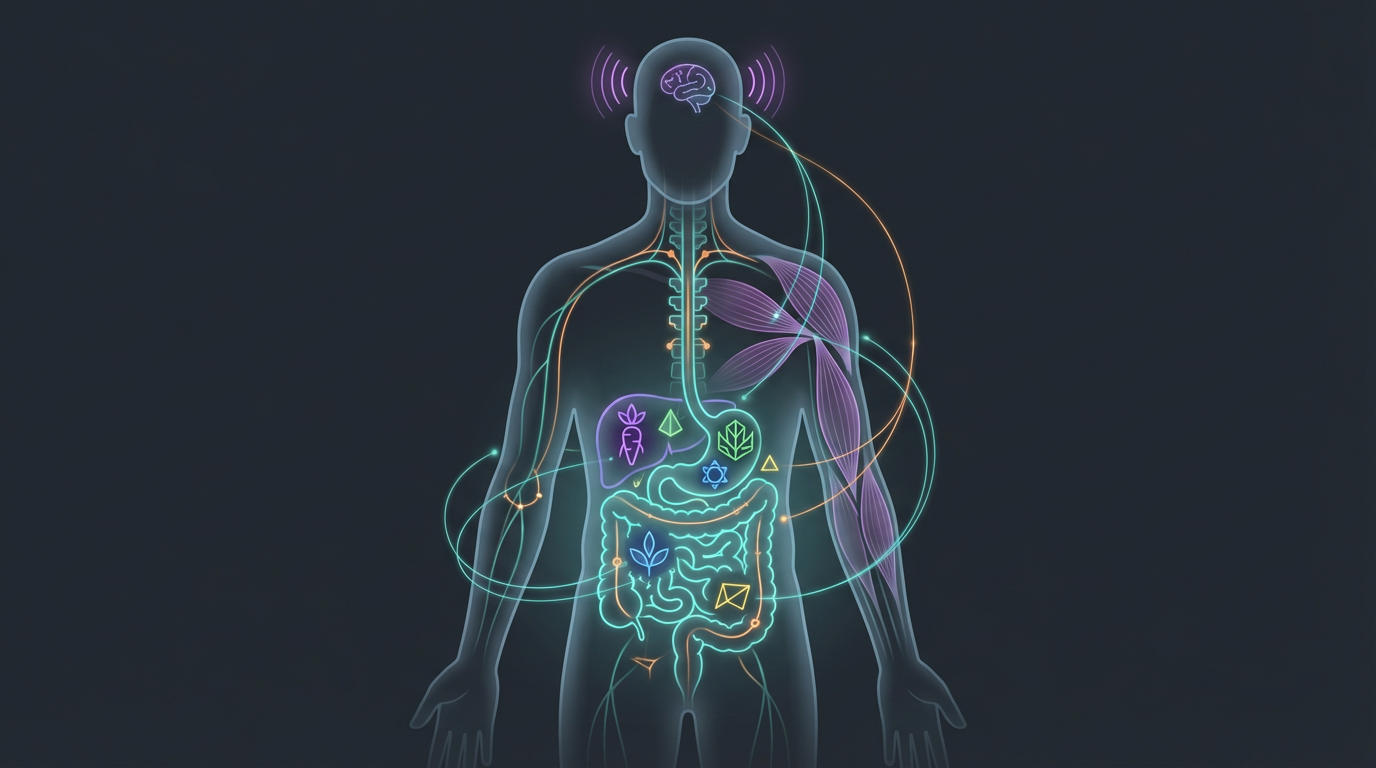
Fiber and Gut Health: The Overlooked Pillar of Fitness Performance
April 10, 2026 · DEEP Team · 6 min read
For decades, fitness nutrition has been dominated by three letters: P, C, and F—Protein, Carbs, and Fats. While tracking these macros is crucial, this singular focus has led many athletes and health enthusiasts to overlook a fundamental dietary component that profoundly influences everything from nutrient absorption and inflammation to immune function and even mental clarity: dietary fiber.
Emerging research reveals that gut health, largely mediated by fiber intake, is not just about digestion—it's a central player in metabolic rate, recovery speed, and overall performance. This post dives into the science of fiber, explains why your gut microbiome might be your most important training partner, and provides actionable strategies to harness its power.
What is Dietary Fiber and Why is it Crucial for Athletes?
Dietary fiber is a type of carbohydrate found in plant foods that the body cannot digest. It acts as a prebiotic, feeding the beneficial bacteria in your gut, which in turn produce compounds essential for health and performance.
Unlike other carbs that break down into glucose, fiber passes through the digestive system relatively intact. It's categorized into two main types, each with distinct roles:
- Soluble Fiber: Dissolves in water to form a gel-like substance. It helps slow digestion, regulates blood sugar, and lowers LDL cholesterol. Sources include oats, beans, lentils, apples, and psyllium husk.
- Insoluble Fiber: Does not dissolve in water. It adds bulk to stool and helps food pass more quickly through the stomach and intestines, promoting regularity. Sources include whole wheat flour, wheat bran, nuts, and many vegetables.
For athletes, fiber's benefits extend far beyond digestion. A robust gut microbiome, fueled by fiber, enhances the integrity of the gut lining, reducing systemic inflammation—a key barrier to recovery. It also modulates the immune system, crucial for those under heavy training loads.
How Does Fiber Intake Directly Impact Workout Recovery and Performance?
A fiber-rich diet supports performance by improving metabolic efficiency, reducing exercise-induced inflammation, and enhancing the gut barrier, which prevents endotoxins from leaking into the bloodstream and causing fatigue.
Intense physical exercise can increase intestinal permeability (sometimes called "leaky gut"), allowing bacterial endotoxins to enter circulation and trigger an inflammatory response. This can prolong muscle soreness and impair subsequent performance. A 2021 review in the Journal of the International Society of Sports Nutrition highlighted that dietary strategies supporting gut microbiota, primarily through fiber and fermented foods, can mitigate this stress and aid recovery.
Furthermore, the short-chain fatty acids (SCFAs)—like butyrate, acetate, and propionate—produced when gut bacteria ferment fiber, serve as an energy source for colon cells and have systemic anti-inflammatory effects. A study in Cell Metabolism found that butyrate can enhance mitochondrial function (the energy powerhouses of your cells), potentially improving endurance capacity.
| Performance Benefit | Mechanism Linked to Fiber | Practical Outcome |
|---|---|---|
| Reduced Inflammation | SCFA production (butyrate) downregulates inflammatory cytokines. | Faster recovery, less muscle soreness between sessions. |
| Improved Gut Barrier | Fiber fuels colonocytes, strengthening the intestinal lining. | Less systemic fatigue from endotoxin leakage during long/hard efforts. |
| Stable Energy | Soluble fiber slows carbohydrate absorption, preventing blood sugar spikes/crashes. | Sustained energy levels throughout training and the day. |
| Immune Support | A healthy microbiome regulates immune response. | Fewer sick days, more consistent training. |
What Are the Best High-Fiber Foods for Active Individuals?
The best high-fiber foods for athletes are those that provide a mix of soluble and insoluble fiber alongside other vital nutrients like vitamins, minerals, and antioxidants. Diversity is key, as different fibers feed different bacterial strains.
Here’s a ranked list of powerhouse fiber sources, considering fiber density, nutrient profile, and practicality:
- Legumes (Lentils, Chickpeas, Black Beans): ~15g fiber per cooked cup. Also packed with plant-based protein and complex carbs, perfect for post-workout meals.
- Chia Seeds & Flaxseeds: ~10g fiber per ounce. Excellent soluble fiber sources; easily added to smoothies, yogurt, or oatmeal.
- Avocados: ~10g fiber per avocado. Provides healthy fats for hormone production and anti-inflammatory benefits.
- Berries (Raspberries, Blackberries): ~8g fiber per cup. Low-glycemic and high in antioxidants to combat exercise-induced oxidative stress.
- Whole Grains (Oats, Quinoa, Barley): ~5g fiber per cooked cup. Provide sustained energy release for training fuel.
- Cruciferous Vegetables (Broccoli, Brussels Sprouts): ~5g fiber per cooked cup. Contain sulforaphane, a compound with potent anti-inflammatory properties.
- Nuts and Seeds (Almonds, Pistachios): ~3-4g fiber per ounce. A convenient, satiating snack with healthy fats and protein.
Tracking your fiber intake can be challenging with standard macro apps. The DEEP app's nutrition tracker, with its database of 800,000+ foods and barcode scanner, makes it simple to log these foods and monitor your daily fiber total alongside your other macros, ensuring you're hitting your targets.
How Much Fiber Do You Really Need, and Can You Have Too Much?
The general recommendation is 25-38 grams per day for adults, but active individuals may benefit from 30-40+ grams, provided intake is increased gradually and paired with adequate hydration to prevent digestive discomfort.
The Academy of Nutrition and Dietetics recommends 14 grams of fiber per 1,000 calories consumed. For a 3,000-calorie diet common in training phases, this equates to 42 grams. However, jumping from a low-fiber diet to a high one overnight can cause bloating and gas.
The key strategy is a slow ramp. Increase your intake by 3-5 grams per week (e.g., add one serving of beans or a tablespoon of seeds) and drink plenty of water. Fiber absorbs water, so without proper hydration, it can be constipating rather than regulating.
It is possible to overconsume fiber, typically from excessive supplementation, which can lead to mineral malabsorption (like iron, zinc, and calcium) and significant GI distress. Prioritizing fiber from whole foods over supplements is the safest and most beneficial approach.
What Are Common Signs of Low Fiber Intake and Poor Gut Health?
Common signs include irregular bowel movements, constant bloating, energy crashes after meals, frequent sugar cravings, and a weakened immune system (getting sick often).
Your gut is often called your "second brain," and its state manifests in clear physical signals. Beyond obvious digestive issues like constipation, a fiber-deficient diet can lead to dysbiosis—an imbalance in gut bacteria. This imbalance is linked to increased systemic inflammation, which can manifest as persistent joint pain, sluggish recovery, and even mood fluctuations or brain fog, as the gut-brain axis is disrupted.
If you experience these symptoms, auditing your fiber intake is a powerful first step. Using a detailed nutrition tracker can provide objective insight. The DEEP app's AI label scanner can quickly analyze packaged foods, helping you identify hidden low-fiber, high-processed choices that might be undermining your gut health.
What is a Simple 3-Step Plan to Optimize Fiber for Better Fitness Results?
1. Audit and Baseline, 2. Strategically Add, 3. Diversify and Maintain.
- Audit Your Intake: For 3 days, track everything you eat without changing your habits. Use an app to calculate your average daily fiber intake. Most people are surprised to find they fall short of 25g.
- Add One Smart Serving Per Meal: Don't overhaul your diet. Add one high-fiber food to each meal.
- Breakfast: Stir a tablespoon of chia or flax into your protein shake or yogurt.
- Lunch: Add a cup of mixed beans or lentils to your salad or bowl.
- Dinner: Include two fist-sized portions of non-starchy vegetables like broccoli, kale, or peppers.
- Diversify Your Plants: Aim for 30 different plant-based foods per week (including nuts, seeds, legumes, grains, fruits, and vegetables). This diversity feeds a wider array of gut bacteria, creating a more resilient microbiome. Keep a list in your notes app or use your food log to count.
By focusing on fiber, you're not just improving digestion—you're building a healthier internal ecosystem that supports every rep, run, and recovery cycle. It’s the foundational work that makes all your other nutritional efforts more effective.
Ready to transform your gut health and unlock better performance? Download DEEP, the all-in-one health & fitness app, for free on the App Store. Use the advanced nutrition tracker with barcode and AI label scanning to hit your fiber goals, build gut-friendly meals with our exercise library as your guide, and get personalized insights from your AI health coach. Your most important training partner is in your gut—start fueling it right today.